


The chancellor of the exchequer announced the government would release £435m to support businesses impacted by the business rates relief revaluation, while also reducing the tax difference between the self-employed and those working as company employees.
However, Mr Hammond did not inform the House of Commons on any new plans to tackle the housing crisis through either housebuilding funds or buy-to-let tax changes.
‘One of the least interesting Budgets in recent memory’
Charlotte Rutter, head of marketing at TFC Homeloans, praised Mr Hammond on his announcements for small businesses.
"By softening the blow for small businesses, which would have been battered by the revaluation of business rates this year, Hammond has saved many from going under.
“That would have been no good for the economy, so this pragmatic thinking and the £50 a month cap should be welcomed.”
Carl D’Ammassa, group managing director of business finance at Aldermore, also welcomed the £435m in further support for businesses facing significant increases in bills from the English business rates system.
However, Stuart Law, CEO and co-founder of Assetz Capital, was less enamoured, adding: "Today, Philip Hammond has delivered one of the least interesting Budgets in recent memory.
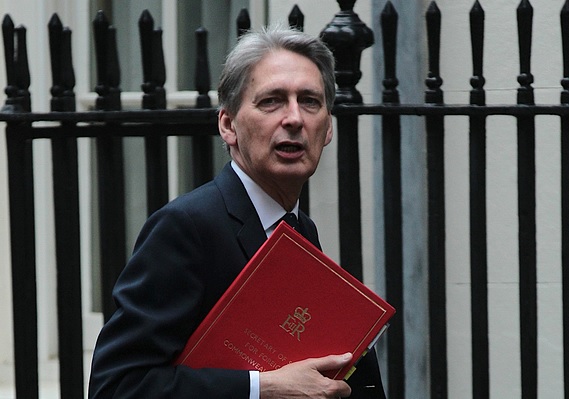
Many were left underwhelmed by Mr Hammond's first and last spring Budget
“Other than protection for SMEs from the potential large rates increase, very little was announced of relevance to SMEs, or indeed their lenders.
“Hammond has missed a chance to take a fatal flaw out of the Innovative Finance Isa that prevents investors investing across multiple P2P platforms in the same tax year – leaving investment diversification very difficult for people.”
Meanwhile, Jonathan Sealey, CEO of Hope Capital, felt the budget was a real blow for small businesses and the self-employed.
“The cut in dividends and the rise in National Insurance payments equates to a tax hike,” Jonathan said.
“This could well hit both brokers and developers, many of whom are small businesses.
“The risk, where developers are concerned, is that where many invest their own money, they will now potentially have less money to put into new projects, which will affect the amount they can borrow.”
‘Self-employed workers are already at a disadvantage’
Alan Cleary, managing director of Precise Mortgages, felt the attack on the growing self-employed workforce failed to recognise that they did not enjoy the same benefits as company employees, such as sick and holiday pay.
“One of the impacts could be that self-employed people may not be able to borrow as much money to buy their home as they will have less net income.
“Self-employed workers are already at a disadvantage to their employed peers when it comes to mortgages and this latest move does nothing to help.”

The Budget has come down hard on the self-employed
Nigel Payne, managing director of TFC Homeloans, added: "We already know that the self-employed are not adequately served by the mainstream mortgage market, facing challenges in verifying their income and proving affordability.
- Spring Budget 2017: £435m business rates relief package announced
- Spring Budget could boost peer-to-peer sector
- Brexit to cost UK £58.7bn
"The measures announced today could exacerbate these challenges, and make it even more important that self-employed borrowers can access specialist mortgage funding as they become increasingly distanced from high street lenders.”
‘Zip. Nada. Zilch… Nothing…’
One area where Mr Hammond’s Budget took many financial commentators by surprise was the lack of any announcement on housing.
Russell Quirk, founder and CEO of eMoov.co.uk, said he was left bitterly disappointed by Mr Hammond in terms of addressing the current UK housing crisis.
“Zip. Nada. Zilch… Nothing…
“It is clear he is continuing the head-in-the-sand approach of those before him in bypassing the issue, with a few headline-grabbing business initiatives and the usual proclamations about how great the economy is currently performing.
“Ironic that a former property developer should give the subject such inadequate focus within his plans and woeful for those aspirational buyers on the ground still dreaming of getting on the ladder.”
Randeesh Sandhu, CEO of residential financier Urban Exposure, added: “It was slightly disappointing, if not overly surprising, not to hear more from the chancellor on housing in his Budget statement.
“With details of the housing white paper only announced last month, we will be looking closely at the implementation of those initiatives in [the] coming months – in particular on brownfield development and supporting new housebuilding methodologies.”

Mr Hammond did not reveal any new support to help boost housebuilding
John Goodall, CEO and co-founder of Landbay, was also left underwhelmed by the Budget and felt the chancellor had missed the opportunity to improve access to the housing ladder for millions.
“Stamp duty is a significant barrier to liquidity in the market and any increase to the threshold would help to reverse the falling home ownership numbers and transaction volumes. I hope the situation is reviewed in the autumn Budget.”
‘Budget was completely devoid of any policies to help homebuyers’
Mr Hammond did not announce any changes to the government’s plans on the upcoming reduction in mortgage tax relief for landlords, a move which angered some within the industry.
Steve Bolton, founder of Platinum Property Partners, stated: “The housing market is broken – but today’s Budget was completely devoid of any policies to help homebuyers.
“It’s particularly disappointing that the government failed to comment on or reform the upcoming reduction in mortgage tax relief for landlords that threatens to derail the buy-to-let sector.”
“There is a fundamental misunderstanding of how the buy-to-let sector operates at the heart of this policy and it also completely contradicts the importance placed on the rental sector in the government’s recent housing white paper.”
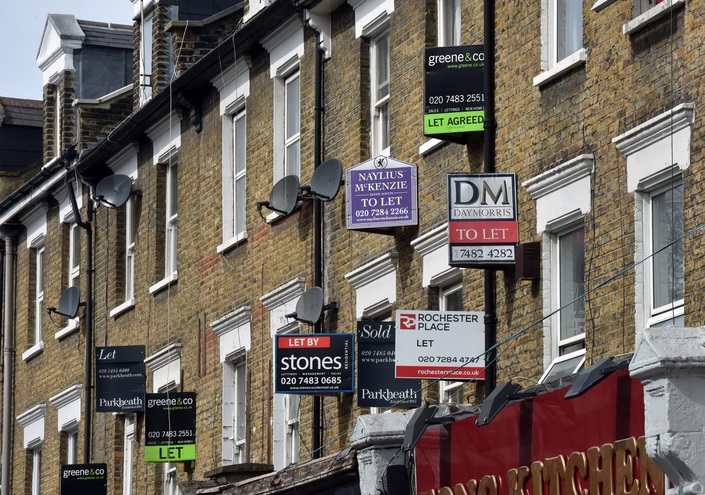
Many were left disappointed by a lack of support for landlords
James Davis, CEO and founder of online lettings agency Upad, felt the government needed to stop using landlords as a political football.
“Landlords need attracting back into the space rather than being pushed away.
“Ultimately, it will be the politicians with red faces, as more people fall into arrears and the social housing space, as they can’t afford private rents any more.
“Buy-to-let landlords should be enticed through tax incentives, rather than hiking stamp duty to bring the rental market back into equilibrium.”

Leave a comment